
If you spend most of your day at a computer, you are probably familiar with the stiff neck, tight shoulders, or achy feeling that can creep in after hours of sitting.
It is a common complaint, and many patients at Pre-Kinetic Wellness Centre in Pitt Meadows and Maple Ridge wonder whether feeling sore and stiff is simply part of having a desk job.
The good news is that a few small changes throughout your day can help you move more comfortably.
Here are five signs your desk job may be taking a toll on your body.

1. Your Neck Always Feels Tight
Ever catch yourself leaning closer and closer to your screen?
Over time, your head may drift forward and your shoulders may start creeping upward, leaving your neck and upper shoulders feeling tight, tired, or achy.
You may notice it:
- Near the end of the workday
- After long meetings
- While driving home
- When trying to get comfortable at night
Short movement breaks throughout the day can help. Gentle neck and shoulder movements, even for just a few minutes at a time, may help reduce discomfort and keep you moving more comfortably.¹
2. Your Shoulders Ache by the End of the Day
If your shoulders feel heavy, sore, or even a little burning after a day at your computer, your workstation may be playing a role.
Reaching forward for your keyboard or mouse, sitting in one position for too long, or working with your shoulders slightly raised can all contribute to tension.
Simple strategies may include:
- Stretching throughout the day
- Strengthening your upper body
- Adjusting your desk setup
- Taking regular movement breaks
- Using hands-on care such as massage therapy or chiropractic care when appropriate
The goal is not to sit perfectly all day. It is to give your body more opportunities to move and change positions.
3. You Feel Stiff When You Stand Up
If you get out of your chair and need a few steps before your body feels like it has “unlocked,” long periods of sitting may be contributing to that stiffness.
One easy way to break up your day is with short bursts of movement, sometimes called “exercise snacks.”
These can be as simple as:
- Stretching for a minute or two
- Walking around the office
- Taking the stairs
- Doing a few gentle mobility exercises
- Standing up during a phone call
You do not need a full workout every hour. Small amounts of movement spread throughout your day may help reduce discomfort from prolonged sitting.²
4. You Notice More Headaches or Jaw Tension
Desk work does not only affect your neck and back.
Some people notice headaches, jaw tension, or tightness around the base of the skull, especially on busy or stressful days.
Long periods in one position, skipped breaks, stress, and muscle tension may all contribute.
Try giving yourself regular opportunities to reset with:
- Gentle neck and shoulder movements
- A quick walk
- Posture changes
- Deep breathing
- Regular breaks away from your screen
Massage therapy or acupuncture may also be helpful for people looking to manage muscle tension and promote relaxation.
5. You Are Experiencing Numbness, Tingling, or Weakness
Numbness, tingling, or weakness deserves a little more attention.
You may notice:
- Tingling in your hands or fingers
- Numbness in your arms or legs
- Trouble gripping or holding objects
- Feeling weaker than usual
- Symptoms that continue even after changing positions
Regular movement may support overall comfort, but numbness, tingling, or weakness should not simply be pushed through.
An assessment can help determine what may be contributing to your symptoms and what type of care may be appropriate for you.

Simple Ways to Feel Better During Your Workday
You do not need to completely redesign your routine to give your body more support.
Start with a few small changes.
Take Regular Movement Breaks
Try getting up or moving your neck, shoulders, and upper back every 30 to 60 minutes.
Even one to three minutes can help break up long periods of sitting.¹
Add “Exercise Snacks”
A few stretches, a walk around the office, or a quick trip up the stairs can give your body a much-needed change of position.²
Check Your Desk Setup
Take a quick look at your workstation.
Ask yourself:
- Is my screen at a comfortable height?
- Am I constantly reaching for my mouse?
- Are my feet supported?
- Can I sit back comfortably in my chair?
Small adjustments can sometimes make a noticeable difference.
Consider Hands-On Care
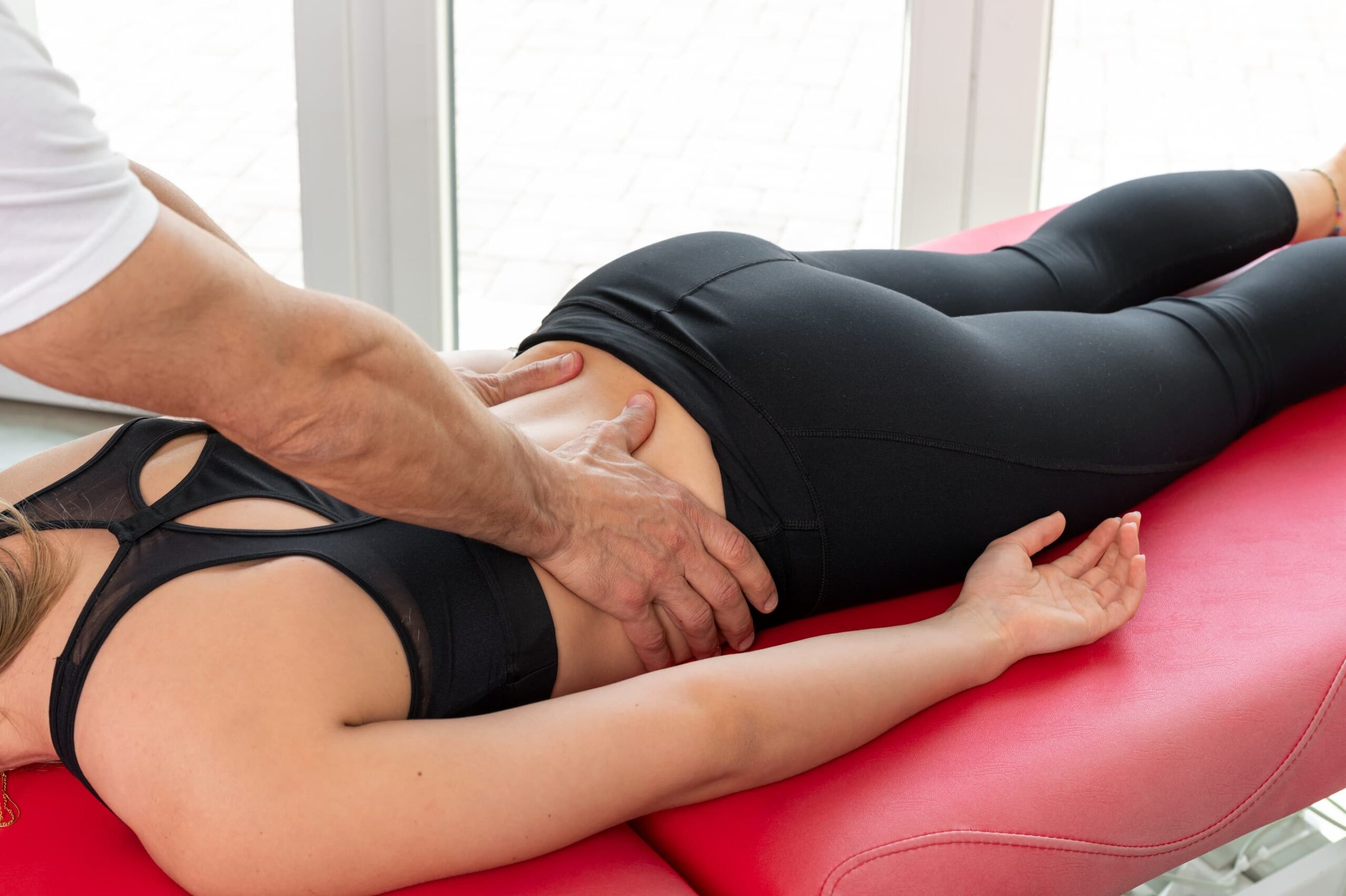
Depending on what you are experiencing, services such as chiropractic care, acupuncture, or massage therapy may help support mobility, ease muscle tension, and make your workday feel more comfortable.
Look at Your Support From the Ground Up
For some patients, custom orthotics or bracing may also be worth considering, particularly when discomfort involves the feet, knees, hips, or back.
How Pre-Kinetic Wellness Centre Can Help
Every desk job looks a little different, and so does every body.
At Pre-Kinetic Wellness Centre, we take the time to understand your symptoms, your workday, and what you want to get back to doing comfortably.
Depending on your needs, your care plan may include:
- Chiropractic care
- Registered massage therapy
- Acupuncture
- Traditional Chinese Medicine
- Custom orthotics or bracing
- Simple movement strategies you can use throughout your workday
Our goal is to help you find realistic ways to feel better that actually fit into your schedule.
Frequently Asked Questions About Desk Job Pain
How Do I Know If My Desk Job Is Causing My Pain?
If your neck, shoulder, or back discomfort becomes worse as the workday goes on, flares after long periods of sitting, or feels better when you are away from your desk, your workstation or daily habits may be contributing. Because other issues can cause similar symptoms, an assessment can help give you a clearer picture of what may be going on.
How Can I Relieve Desk Tension Without Going to the Gym?
You do not need a full workout to start moving more.
Try:
- Rolling your shoulders
- Gently turning your neck
- Stretching your chest
- Standing up regularly
- Walking around the office
- Taking the stairs
Short movement breaks throughout the day may help reduce neck and shoulder discomfort in people who spend long periods sitting.¹˒²
Can Massage Therapy Help With Desk-Related Tension?
Massage therapy may help reduce muscle tension, promote relaxation, and make it easier to move comfortably after long periods at a desk. Many people also find that combining massage therapy with regular movement and a more comfortable workstation works better than relying on one approach alone.
Is Massage Therapy Covered by Extended Health Benefits?
Coverage depends on your individual plan.
Many extended health plans include some coverage for services provided by registered massage therapists, chiropractors, or acupuncturists. Check with your insurance provider or workplace benefits coordinator to confirm what is included in your plan.
When Should I Get My Pain Checked Instead of Just Stretching?
Consider booking an assessment if your discomfort:
- Keeps getting worse
- Is lasting longer than expected
- Interrupts your sleep
- Makes everyday activities harder
- Comes with numbness, tingling, or weakness
You do not have to wait until discomfort becomes difficult to manage before asking for support.
If your desk job is leaving you feeling stiff, sore, or uncomfortable, the team at Pre-Kinetic Wellness Centre can help you understand what may be contributing and find a care plan that fits your workday.
Learn more about our services at Pre-Kinetic Wellness Centre.
References
- Yaghoubitajani Z, et al. Effectiveness of micro-exercises for managing neck/shoulder pain in sedentary workers: a systematic review and meta-analysis. Scientific Reports. 2026. doi:10.1038/s41598-026-56061-z
- Zeng J, et al. Can exercise snacks alleviate musculoskeletal discomfort in prolonged sitting? A systematic review of randomized controlled trials. BMC Public Health. 2026. doi:10.1186/s12889-026-27292-6
- Meidinger P, et al. How Effective Are Nonsurgical Interventions for Work-Related Shoulder Pain? A Systematic Review With Meta-Analysis of Randomized Controlled Trials. Journal of Orthopaedic & Sports Physical Therapy. 2025. doi:10.2519/jospt.2025.13360